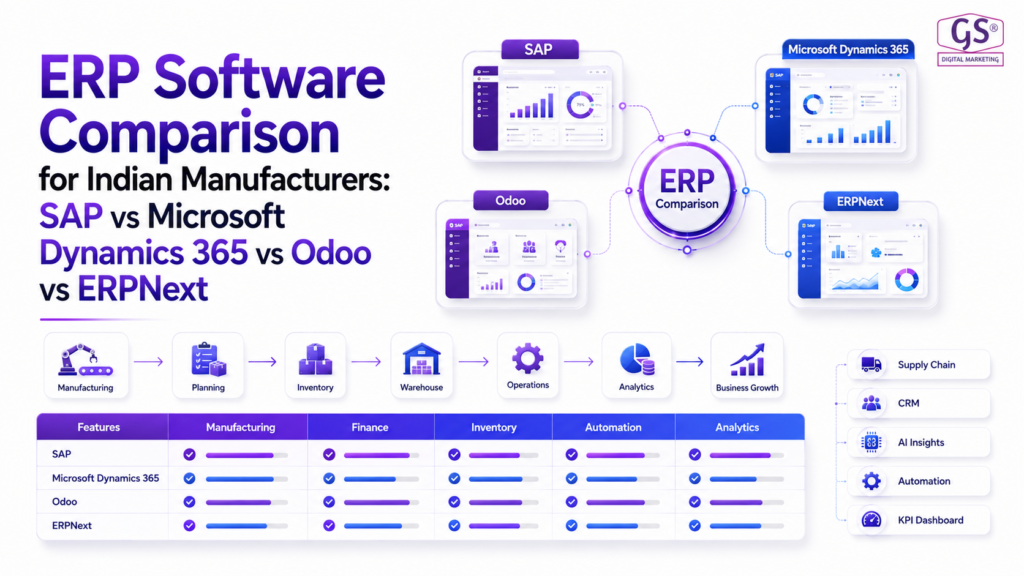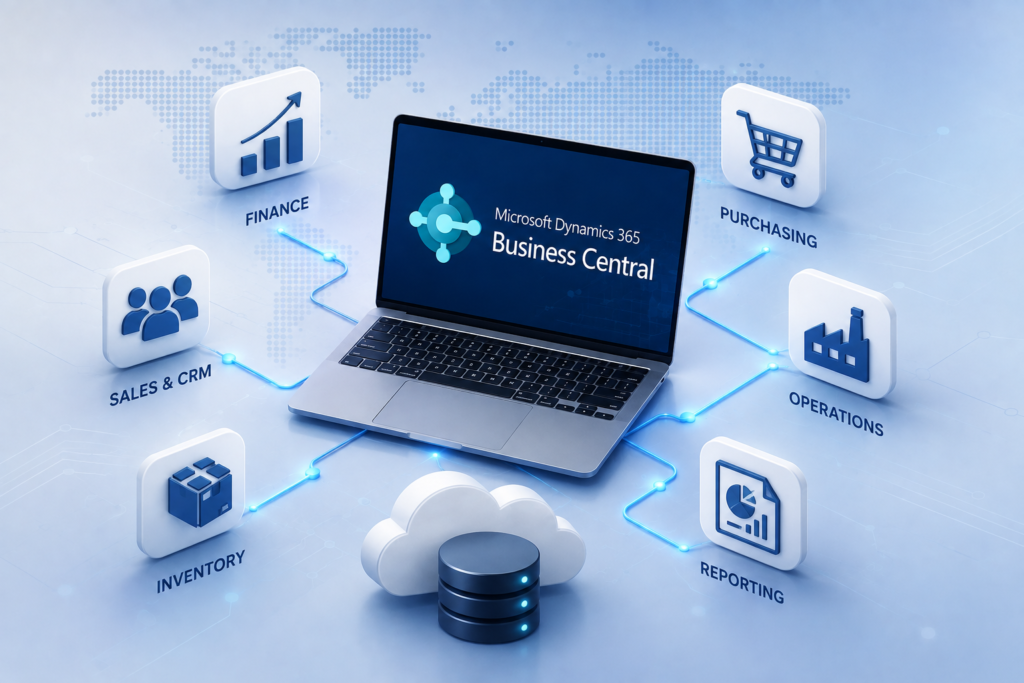
Choosing ERP Software for Manufacturing in India: The Complete Guide
Everything a factory owner, plant head, or CFO needs to know before choosing ERP software for manufacturing — features, costs, vendors, and the mistakes to avoid.
Choosing ERP software for manufacturing is one of the most consequential decisions an Indian factory owner or plant head will make this decade. The right system streamlines production, inventory, and compliance in one place; the wrong one drains budgets and frustrates your shop floor for years. This guide walks you through the entire process of choosing ERP software for manufacturing, from identifying your real pain points to shortlisting the best ERP software for manufacturing in India, so you can invest with confidence.
Why Choosing ERP Software for Manufacturing in India Matters More Than Ever
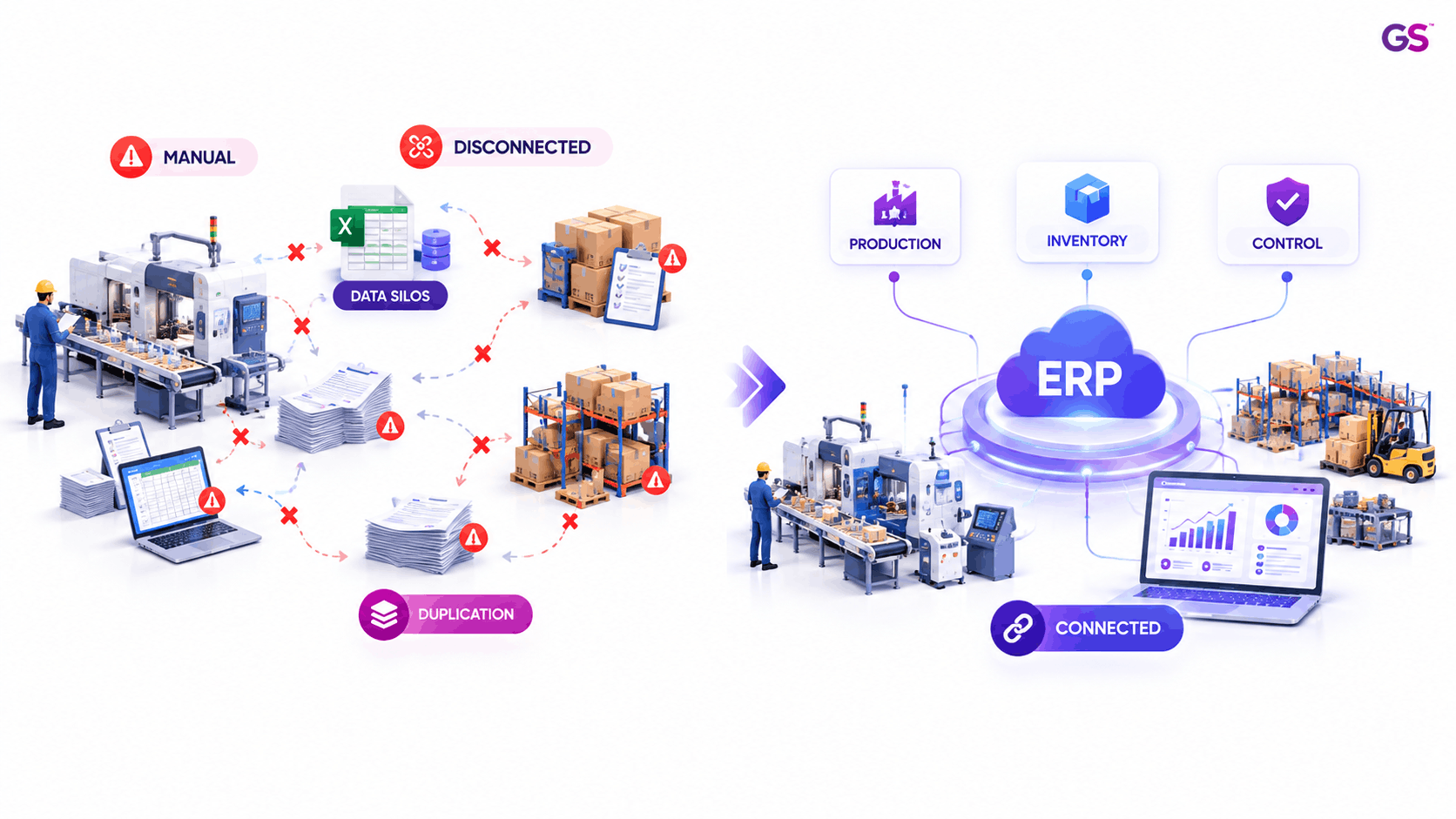
India's manufacturing sector is scaling faster than ever under initiatives like Make in India and PLI schemes, and choosing ERP software for manufacturing is no longer optional for factories that want to stay competitive. Disconnected spreadsheets, manual inventory counts, and siloed departments cost manufacturers time, money, and customer trust. A well-implemented ERP unifies procurement, production planning, quality control, and finance, turning your shop floor data into decisions you can act on the same day.
Manufacturers who delay choosing ERP software for manufacturing often discover the cost of standing still is higher than the cost of change — missed delivery dates, compliance penalties, and inventory write-offs add up quietly until they can't be ignored.
Common Challenges Indian Manufacturers Face Without the Right ERP
Before choosing ERP software for manufacturing, it helps to name the problems you're actually solving. Most Indian manufacturers struggle with inaccurate inventory counts, delayed production schedules, GST and compliance headaches, poor visibility across multiple plants, and disconnected sales-to-production handoffs.
If any of this sounds familiar, it's a strong signal that choosing ERP software for manufacturing should be on your leadership team's agenda this quarter, not next year.
Step-by-Step Process for Choosing ERP Software for Manufacturing
There's no shortcut to choosing ERP software for manufacturing well, but there is a proven sequence. Follow these steps in order to avoid the costly rework so many factories go through.
-
Map your current processes
Document how materials, orders, and approvals actually move today — not how the org chart says they should.
-
Define must-have vs nice-to-have features
Separate what your shop floor genuinely needs from features a vendor's sales deck makes sound essential.
-
Set a realistic budget and total cost of ownership
Include licensing, implementation, training, customisation, and annual support — not just the sticker price.
-
Shortlist three to five vendors
Prioritise vendors with genuine manufacturing case studies in India, not generic enterprise software.
-
Request live demos using your own data
A demo built on your actual bill of materials reveals far more than a polished canned presentation.
-
Check industry-specific experience
Discrete, process, and batch manufacturing all need different ERP configurations — confirm the vendor understands yours.
-
Evaluate the support and implementation team
Ask who will actually be on-site during go-live, and how quickly issues get resolved after the contract is signed.
-
Plan for change management and training
The best software fails if operators aren't trained and bought in — budget time and resources for adoption.
Must-Have Features When Choosing ERP Software for Manufacturing
These are the non-negotiables our clients look for when choosing ERP software for manufacturing, and they double as a checklist you can hand to any vendor you're evaluating.
Cloud vs On-Premise: Which Should You Choose?
This is one of the first forks in the road when choosing ERP software for manufacturing. Cloud ERP is faster to deploy and easier to scale across plants, while on-premise offers tighter control for factories with strict data-residency needs. Most of the best ERP software for manufacturing in India today is offered as cloud-first, with on-premise available for larger enterprises.
| Factor | Cloud ERP | On-Premise ERP |
|---|---|---|
| Upfront cost | Lower | Higher |
| Deployment time | Weeks | Months |
| Maintenance | Vendor-managed | In-house IT team |
| Multi-plant scaling | Simple | Complex |
| Best for | SMEs, growing factories | Large, regulated enterprises |
What Does ERP Software Cost for Indian Manufacturers?
Pricing varies widely by plant size and modules chosen. Small manufacturers typically start in the range of a few thousand rupees per user per month on cloud plans, while mid-size and enterprise factories investing in custom modules, multi-plant rollouts, and IoT integration should plan for a larger annual budget. The cheapest option upfront is rarely the best ERP software for manufacturing in India once implementation and support costs are factored in.
Why Work With a Trusted Digital Transformation Company in India
Choosing ERP software for manufacturing is only half the journey — implementation and adoption decide whether you ever see the return on that investment. Partnering with an experienced digital transformation company in India, such as Innoverse360, ensures your ERP rollout is mapped to your actual shop floor rather than a generic template.
As a digital transformation company in India with hands-on manufacturing experience, Innoverse360 helps factories go live faster, migrate data cleanly, and avoid the stalled rollouts that derail a large share of first-time ERP buyers.
Mistakes to Avoid When Choosing ERP Software for Manufacturing
Chasing the lowest price instead of the lowest total cost of ownership.
Skipping the process-mapping step and jumping straight to demos.
Ignoring end-user training until after go-live.
Choosing a generic ERP with no real manufacturing depth.
Underestimating the effort required for data migration.
Frequently Asked Questions
What is the first step in choosing ERP software for manufacturing?
Start by mapping your current processes — materials, orders, approvals, and reporting — exactly as they happen today. This gives you a clear list of requirements before you speak to any vendor.
How long does ERP implementation take for a mid-size factory in India?
Most mid-size implementations take three to six months, depending on the number of plants, modules, and how much data migration and customisation is required.
What is the best ERP software for manufacturing in India for small factories?
There is no single best ERP software for manufacturing in India for every factory — the right choice depends on your production type, budget, and existing systems. A short requirements workshop is the fastest way to narrow the field.
Can ERP integrate with existing machines and IoT sensors?
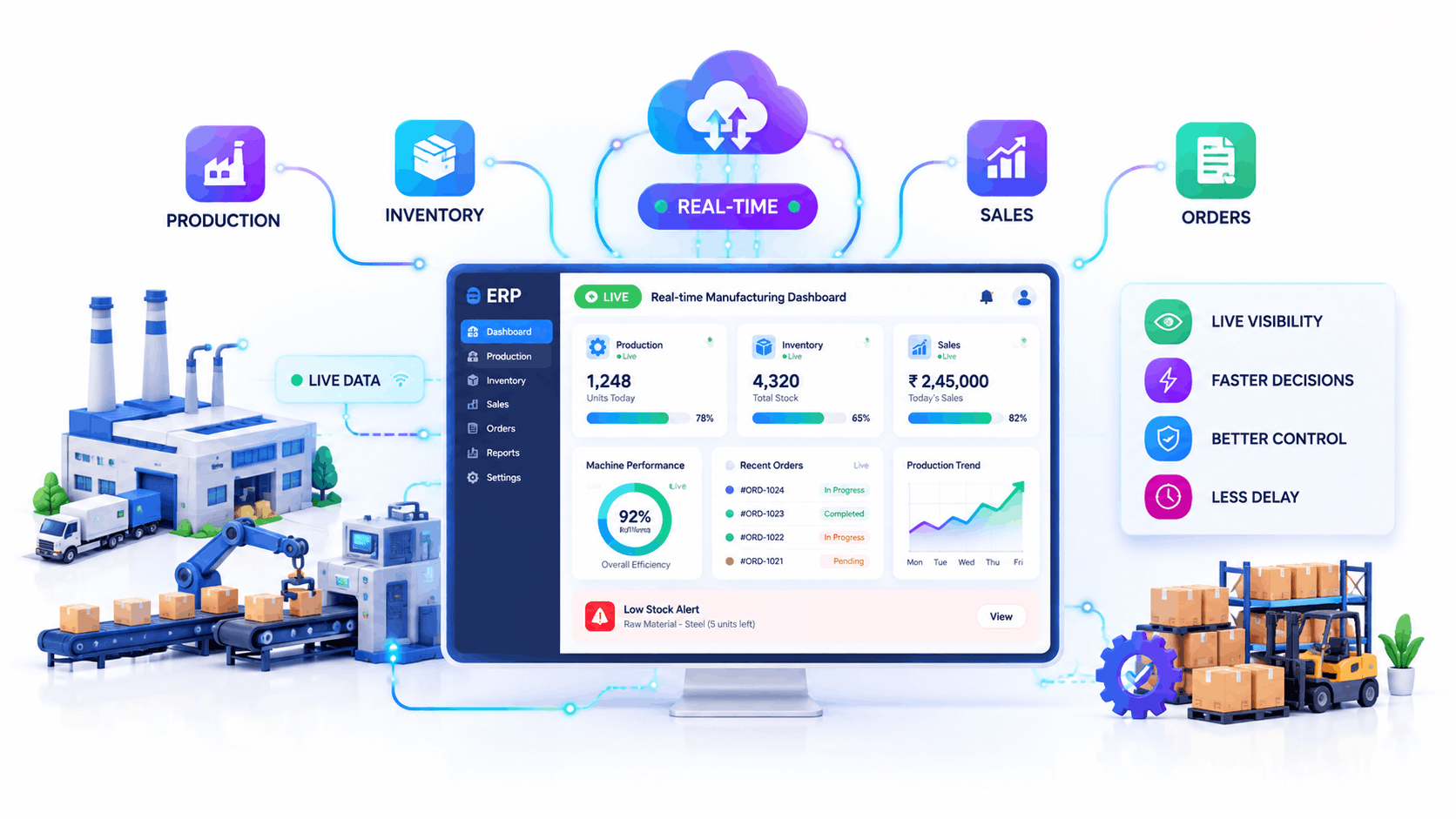
Yes. Most modern manufacturing ERPs support integration with PLCs, sensors, and shop-floor equipment, giving you real-time production data without manual entry.
Final Thoughts on Choosing ERP Software for Manufacturing in India
Choosing ERP software for manufacturing is a decision that shapes your operations for the next decade, not just the next fiscal year. Take the time to map your processes, involve your shop floor, and partner with a team that understands Indian manufacturing before you sign anything.